
Sep 2, 2026Industry Insights
Furniture Project for Villas and Hotels in Greece
A practical guide to coordinating small-quantity, mixed-material furniture packages for villas and boutique hotels in Greece.
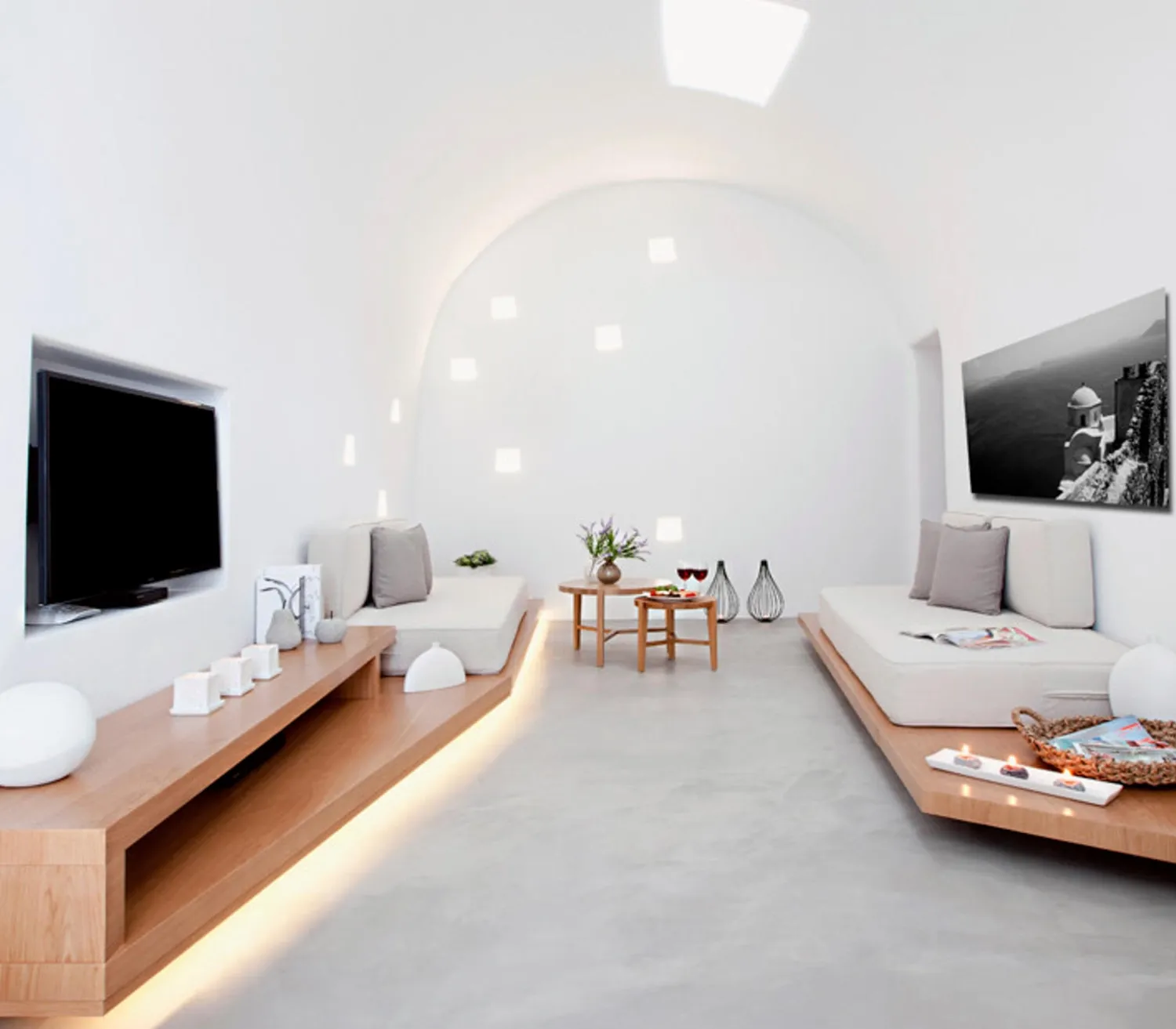
A villa or boutique hotel may have fewer rooms than a large commercial project, but the furniture package is rarely simple. One project can combine upholstered seating, loose tables, wardrobes, headboards, outdoor pieces and decorative metalwork, all in relatively small quantities.
For projects in Greece, the main challenge is often not finding one attractive product. It is keeping a mixed package consistent and deliverable without turning every item into a separate order.
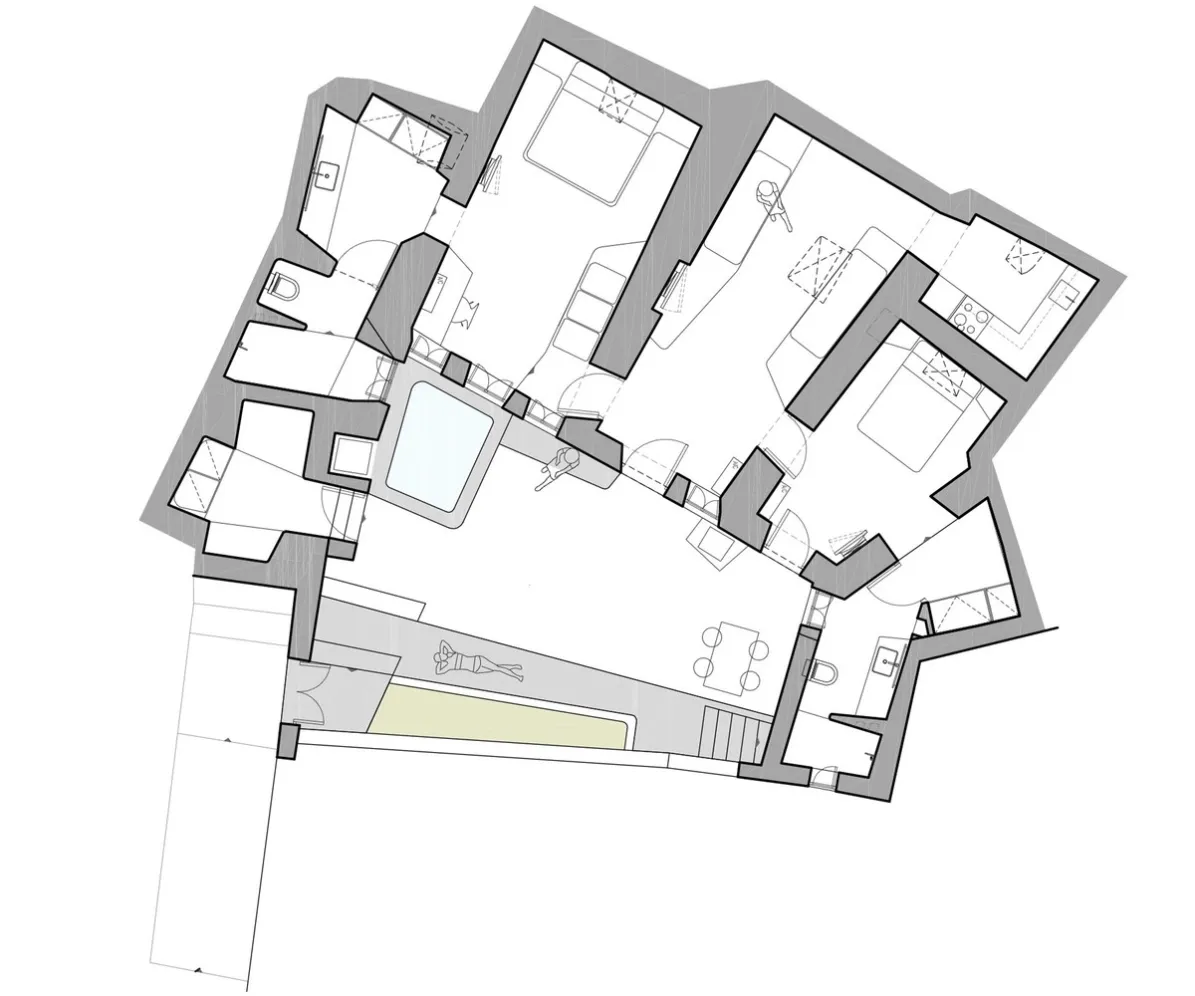
Small quantities still need project-level coordination
A supplier that is suitable for 200 identical chairs may not be the right choice for eight custom bedside tables. At the same time, asking one factory to make every category usually leads to compromises in price or workmanship.
A practical sourcing plan groups items by material and production method. Upholstered furniture can be handled together, while joinery, metal-and-stone tables and outdoor furniture may need different specialists. The client should still receive one coordinated schedule rather than several unrelated factory conversations.
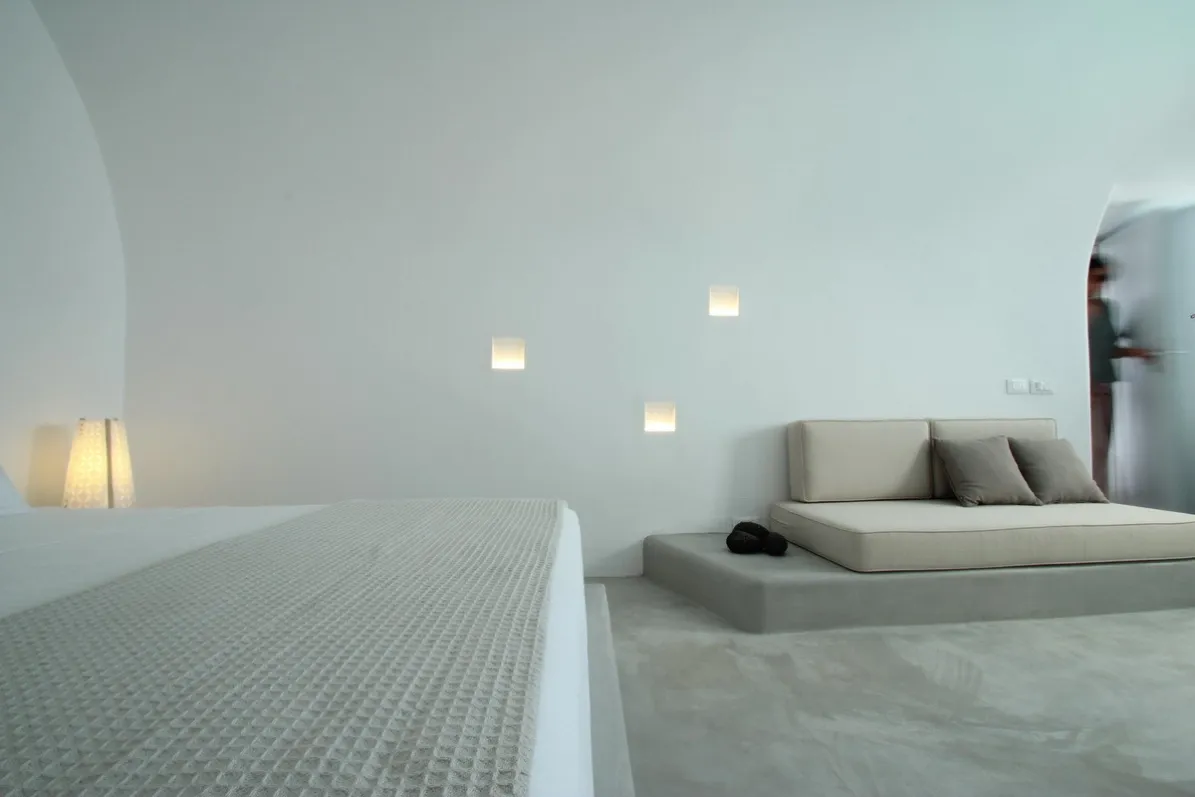
Start with a finish schedule, not a folder of reference images
Reference images explain the design direction, but they do not control consistency. A finish schedule should connect each item code to the approved wood tone, metal finish, stone, fabric and hardware.
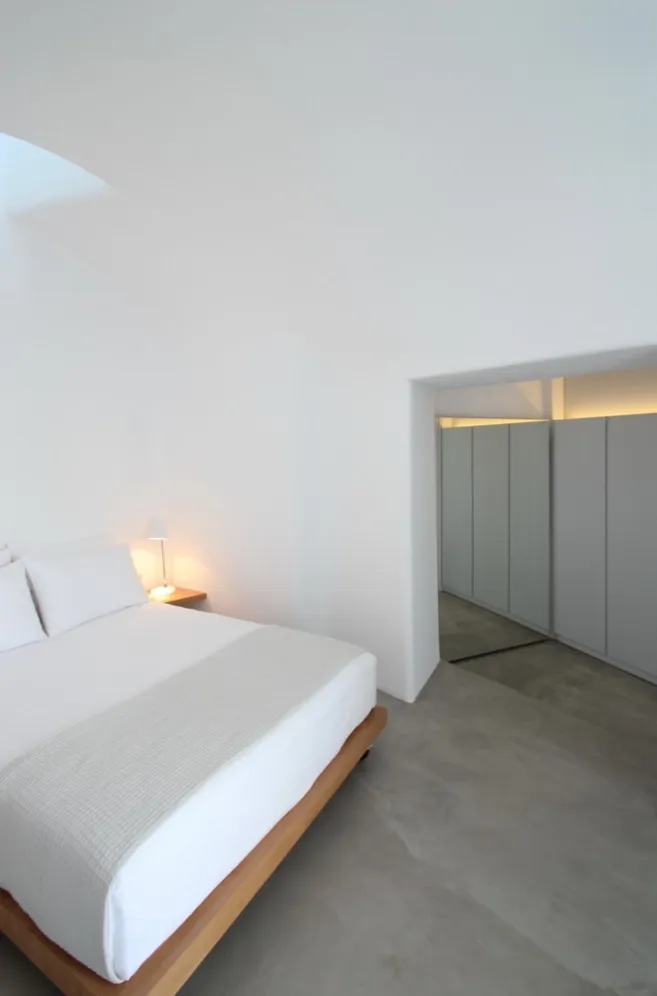
This matters when the same walnut tone appears on a headboard, bedside table and wardrobe made by different suppliers. Without one approved reference, each factory can produce a reasonable walnut finish and the final room can still look mismatched.
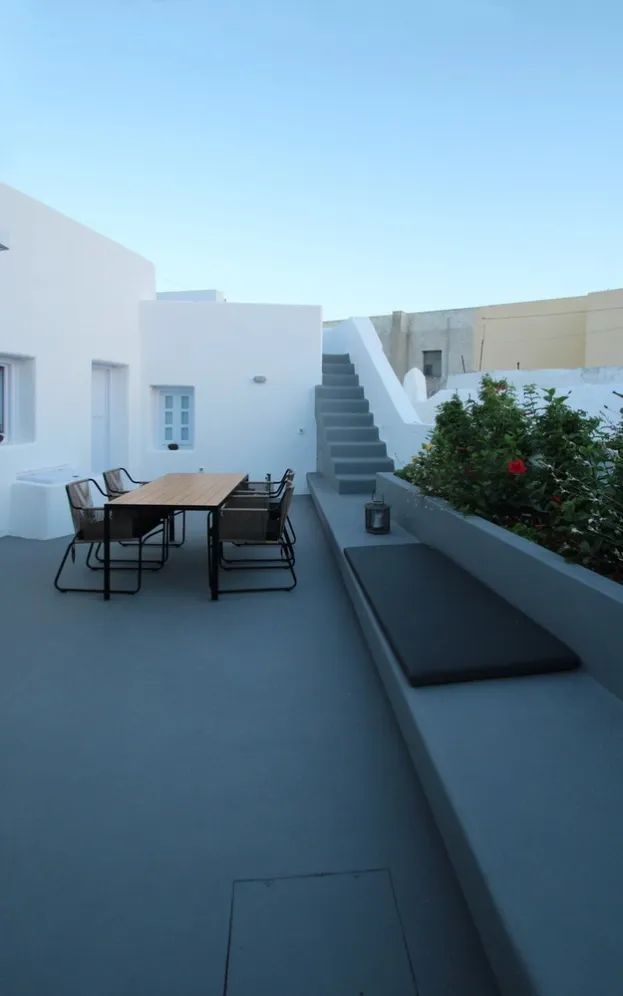
Separate custom items from products that can remain standard
Not every piece should be redesigned. A custom bed, reception counter or banquette may be central to the interior concept. Dining chairs, side tables or task chairs can sometimes use an existing structure with a selected finish or fabric.
This distinction protects the design where it matters and controls cost where customization adds little value. It also reduces sampling time and production risk.
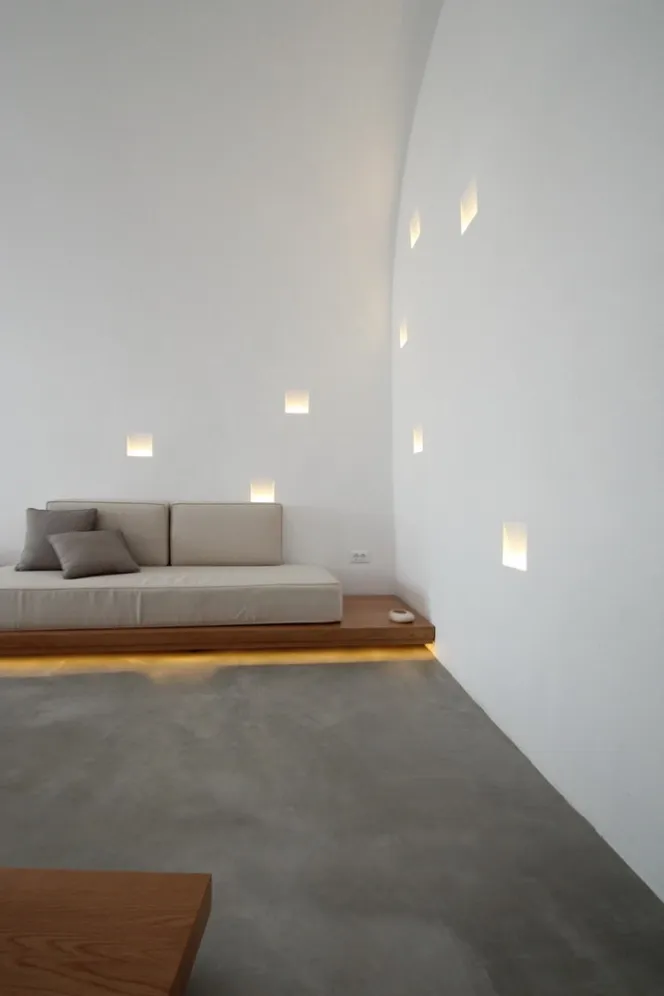
Confirm room dimensions before fixing built-in-related furniture
Loose furniture can tolerate small site variations. Headboards, wardrobes, vanity units and wall-connected furniture cannot. Their dimensions should be checked against final wall, skirting, socket and lighting positions.
If site measurement is not available before production, the design should include a clear adjustment method. Removable infill panels, controlled gaps or site-cut components are better than assuming every wall matches the drawing exactly.
Treat fabrics and natural materials realistically
Fabric color can shift under different lighting, and natural veneer or stone will never be identical across every piece. The approval process should define an acceptable range, not promise perfect visual duplication.
For upholstery, we check fabric width, repeat direction, seam position and the quantity needed for all related items. Ordering the fabric once helps avoid shade differences between separate batches.
Build the packing list around rooms
For a villa or small hotel, a room-based packing list is more useful than a factory-based list. The receiving team needs to know which packages belong to Bedroom 01, the lobby or the dining area, even when those packages came from different suppliers.
Labels should show the item code, room, package number and quantity. Hardware and installation fittings should be linked to the same code. This simple step saves time when several categories arrive together.
Consolidate only after checking the real volume
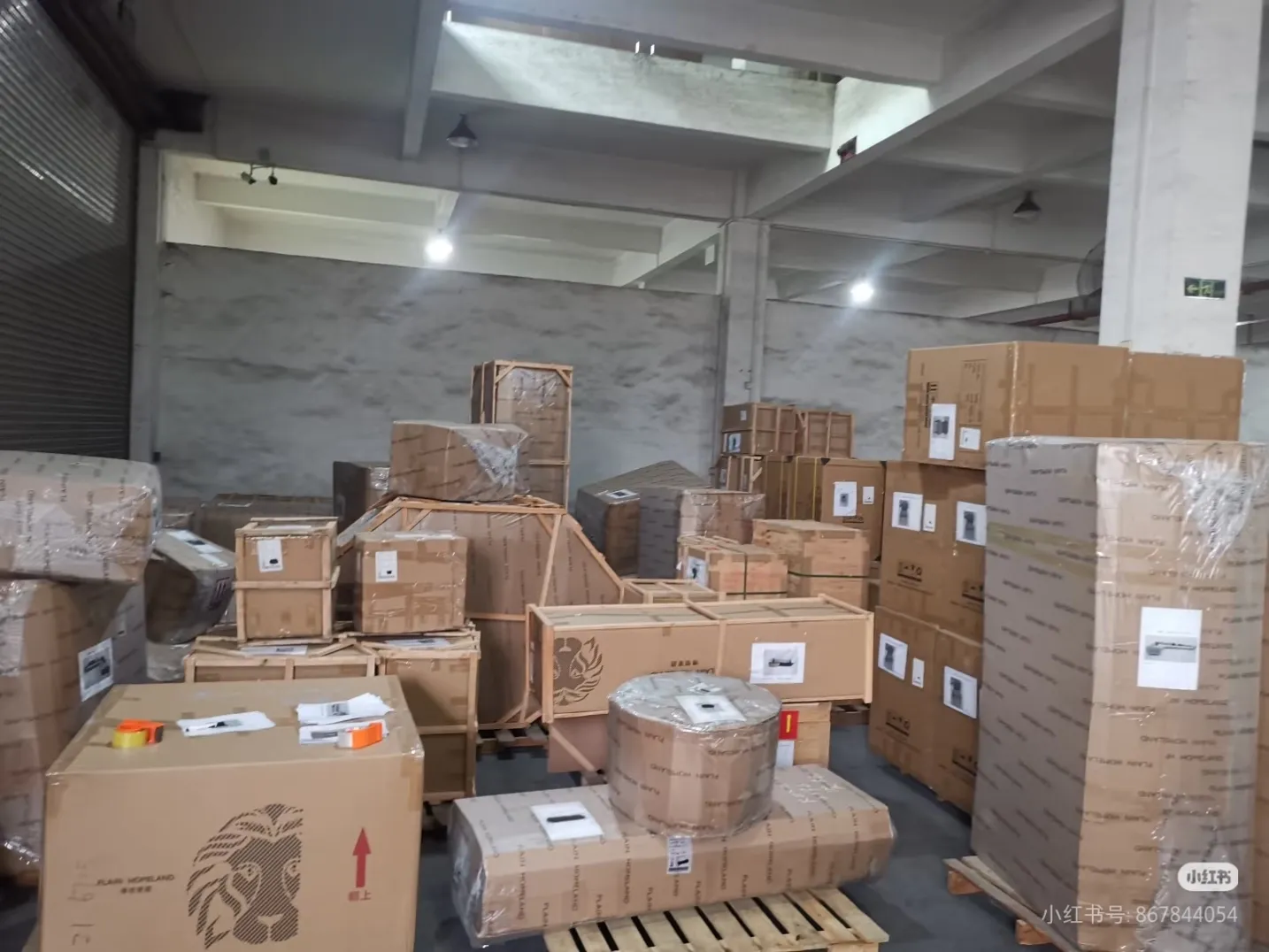
Combining several suppliers into one shipment can reduce repeated handling and simplify delivery, but consolidation is not automatically cheaper. Carton sizes, crate requirements, collection costs and loading compatibility have to be checked first.
Heavy stone tables should not be loaded in a way that can damage upholstered items. Fragile tops may need separate crates. The container plan should follow the actual packed dimensions, not an early estimate based only on product size.
Keep a small replacement and spare-parts plan
For an overseas project, a missing connector or damaged fitting can delay installation far more than its value suggests. Spare hinges, touch-up material, glides, connectors and selected hardware should be considered before loading.
For custom upholstery or finishes, retaining a small amount of matching material can also make later repair easier.
Information needed for an initial review
A useful first package does not need to be perfect. It should include enough information to separate confirmed requirements from open decisions:
Furniture layout and room list
Item schedule or BOQ
Design renders and key dimensions
Finish and fabric direction
Target delivery period
Site access or installation restrictions
From there, we can identify which items are suitable for customization, which can use existing production structures and where samples or technical drawings are required.
The goal is one coherent package
For villas and boutique hotels in Greece, the value of China sourcing is not simply a lower unit price. It is the ability to coordinate several furniture categories as one package, while keeping the design intent, production details and delivery plan connected.